Impact Locations
The same spirit as our mission: education, advocacy, community action and sustainability now mapped to the places we serve.
Field Footprint
Every location pushes our mission forward.
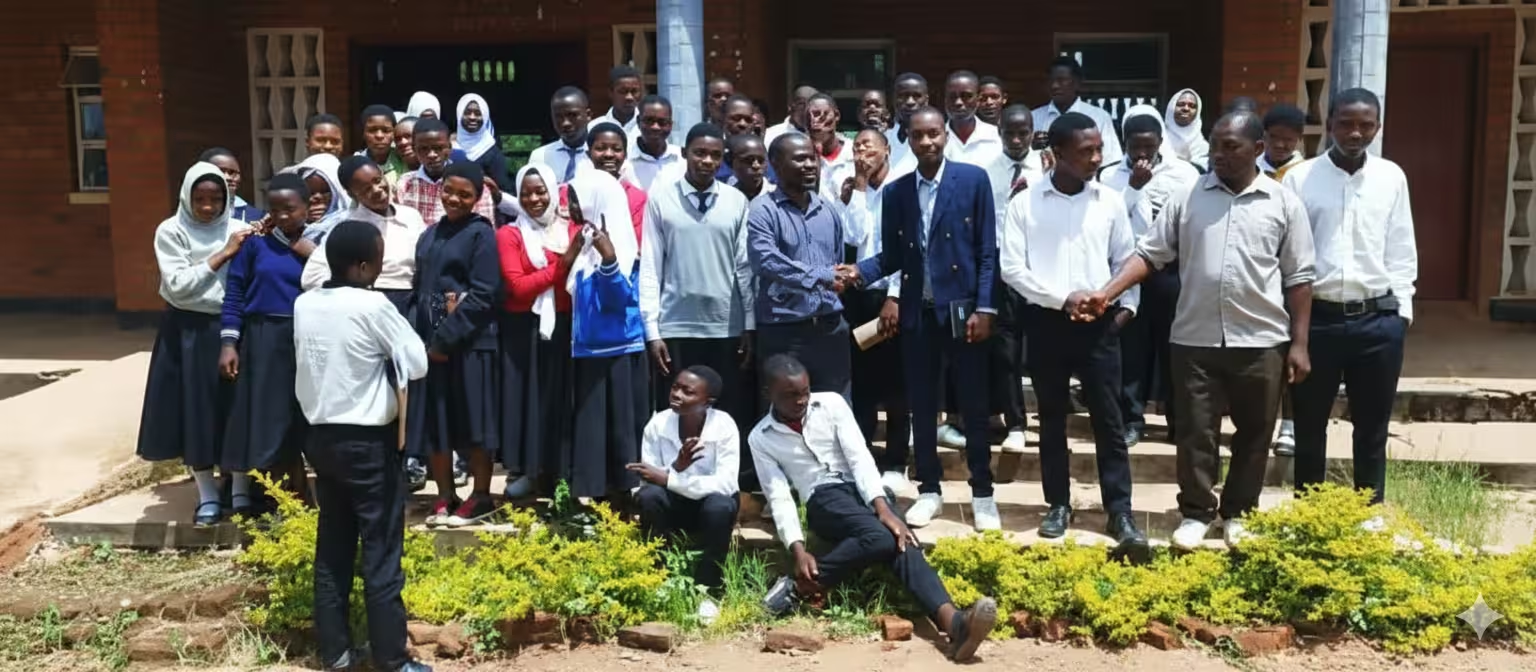
We establish wildlife clubs, orchards, woodlots, and integrating environmental themes into the curriculum in both Primary and Secondary Schools.
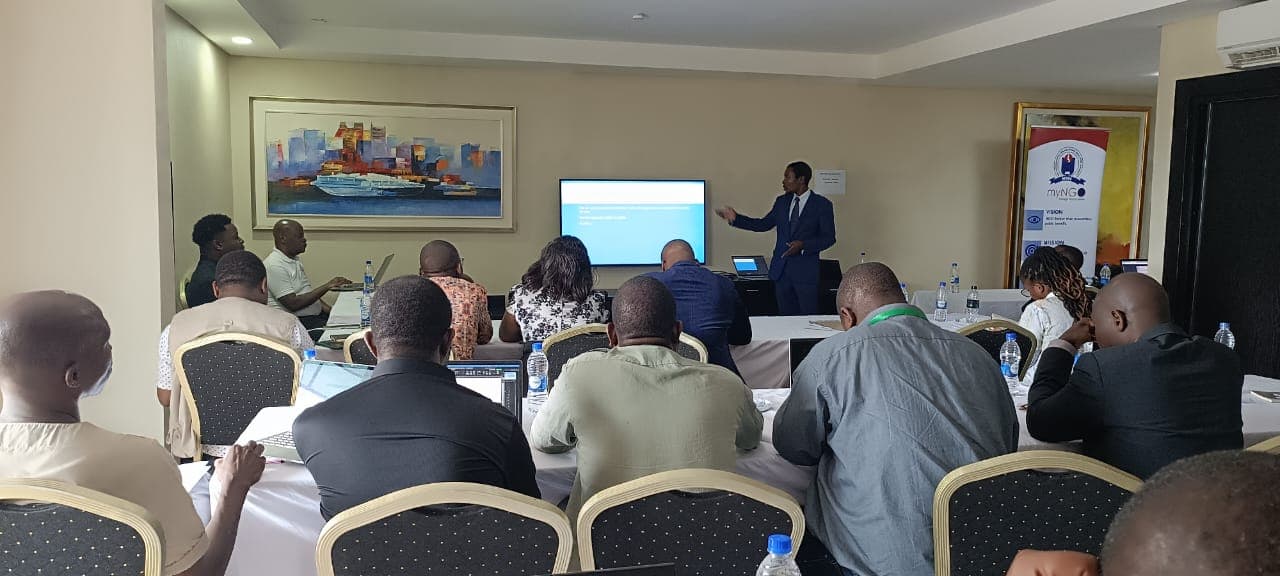
We partner with universities for research, internships, and large-scale awareness campaigns.
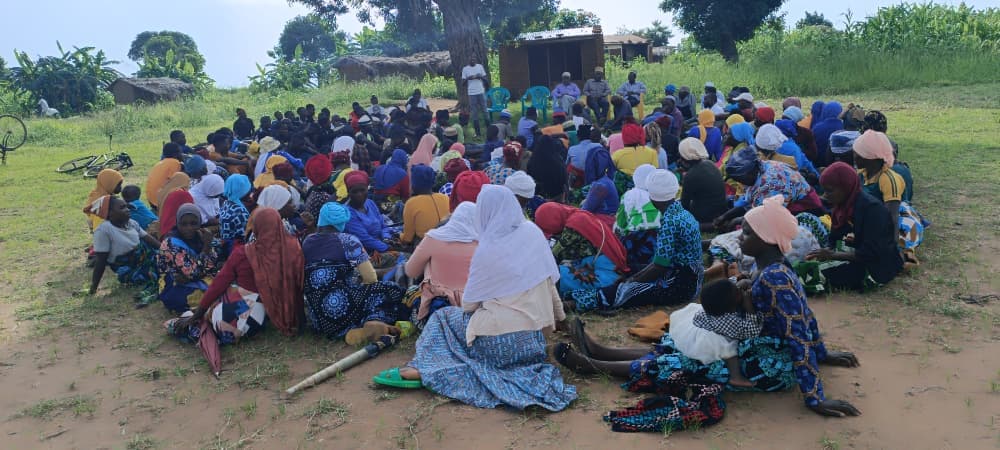
We engage the younger generation in hands-on projects like beekeeping, tree nursery establishment and management or sustainable craft-making.
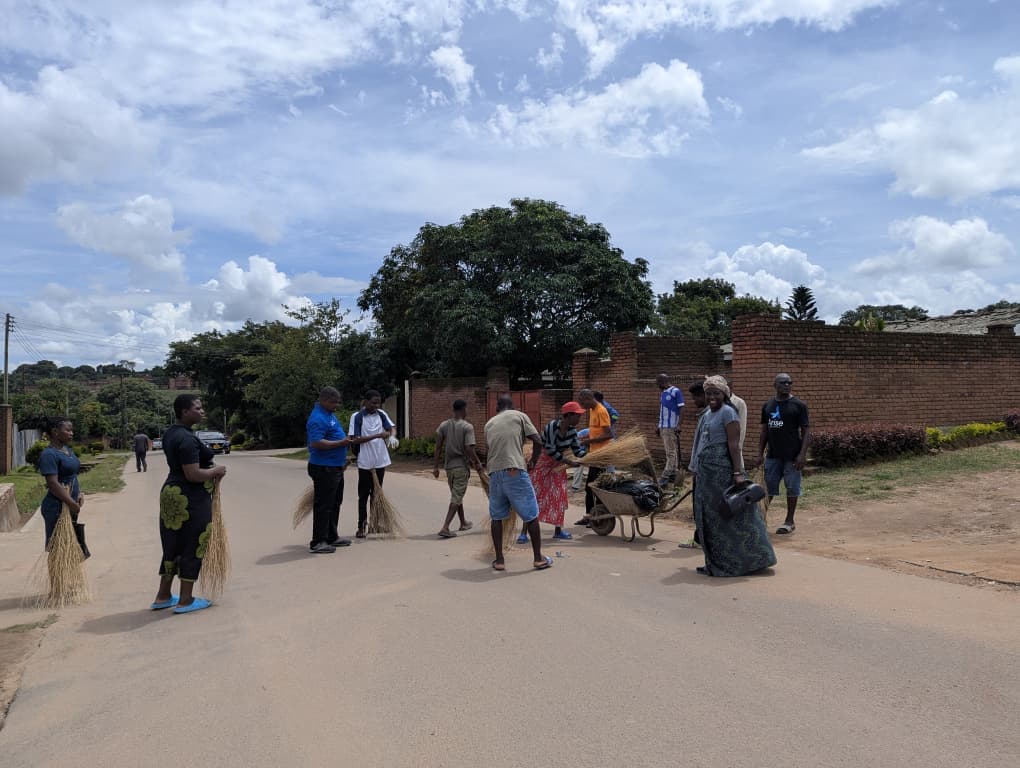
we implement waste reduction strategies and awareness campaigns such as cleanup campaigns and proper waste disposal in trading Centers & Markets.
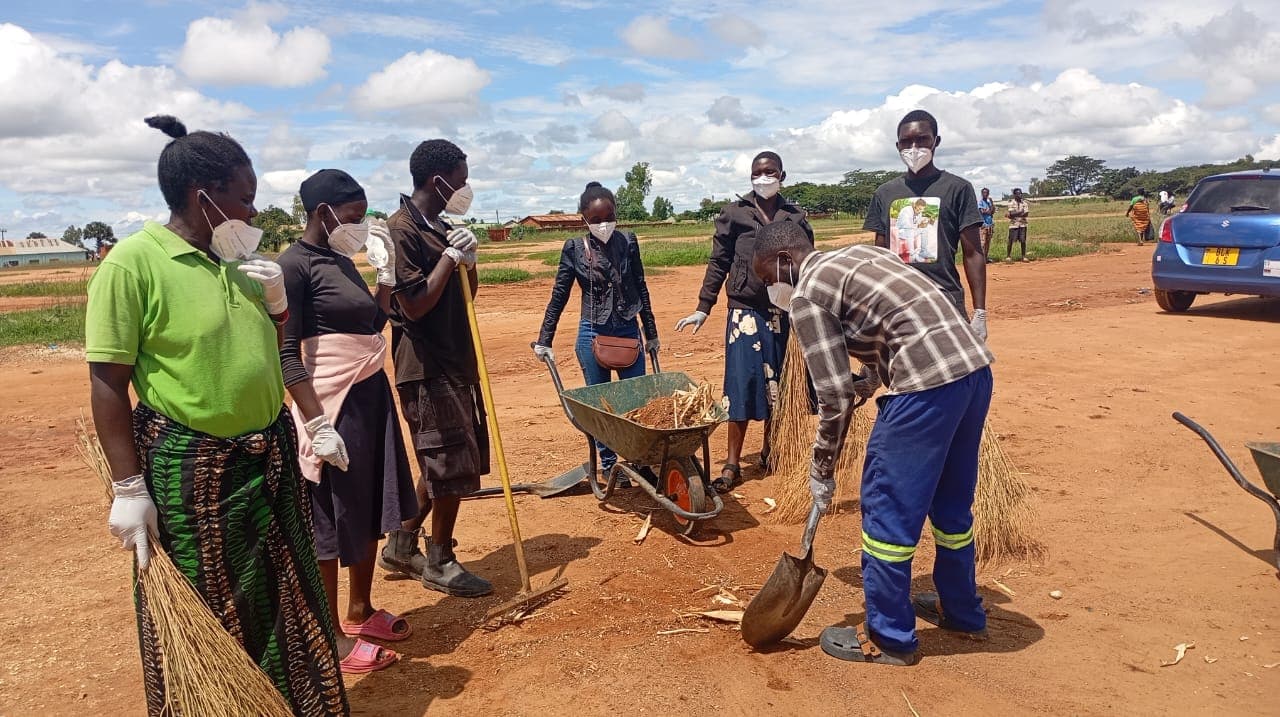
Promoting the link between a healthy environment and community wellbeing, often through cleanup campaigns, clean water initiatives or medicinal plant gardens.
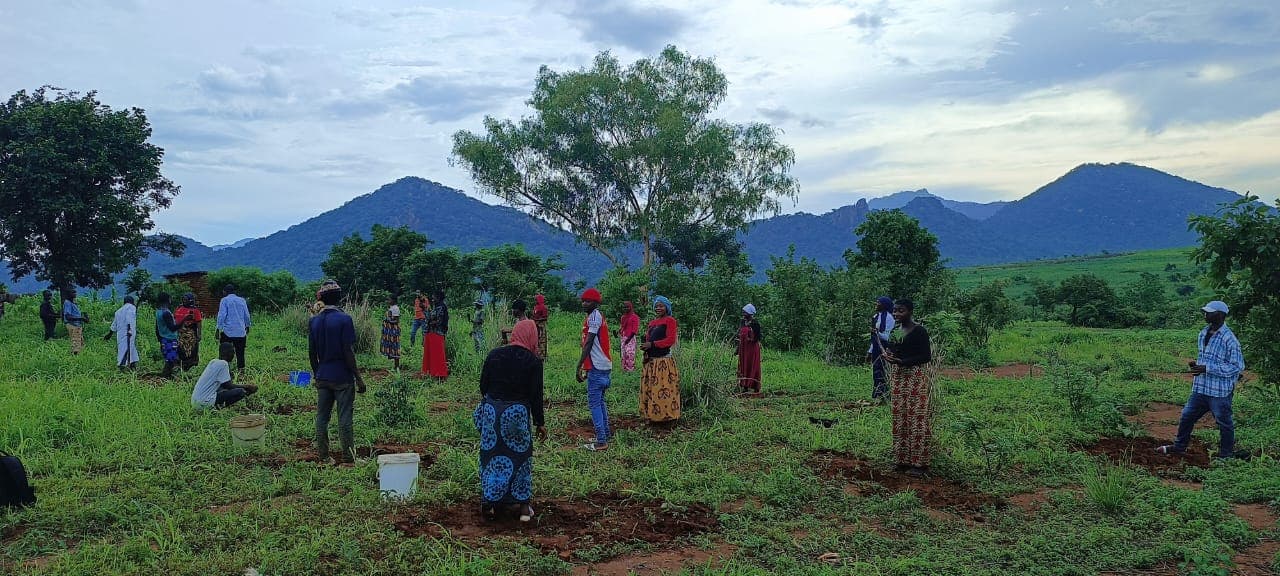
We Work directly in or around protected areas and buffer zones to mitigate human-wildlife conflicts and support sustainable tourism.
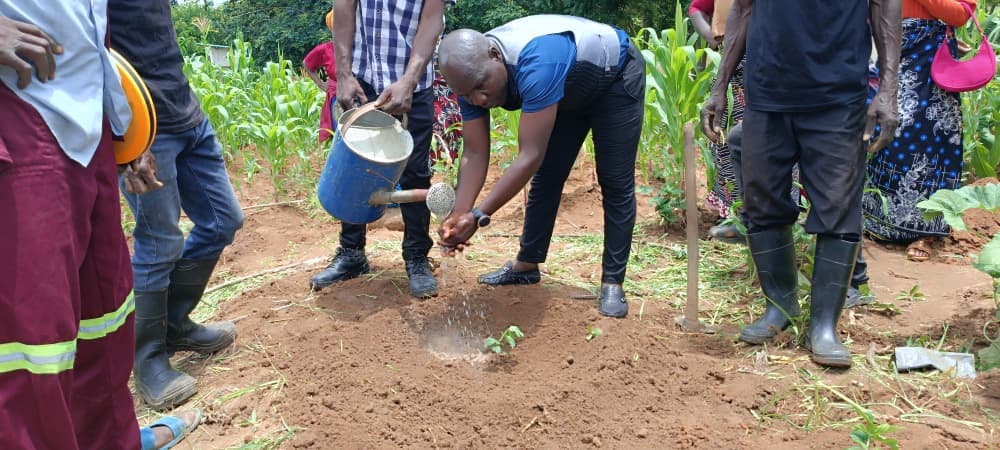
We focus on soil erosion control and protecting water sources through indigenous tree planting and gully reclamation.
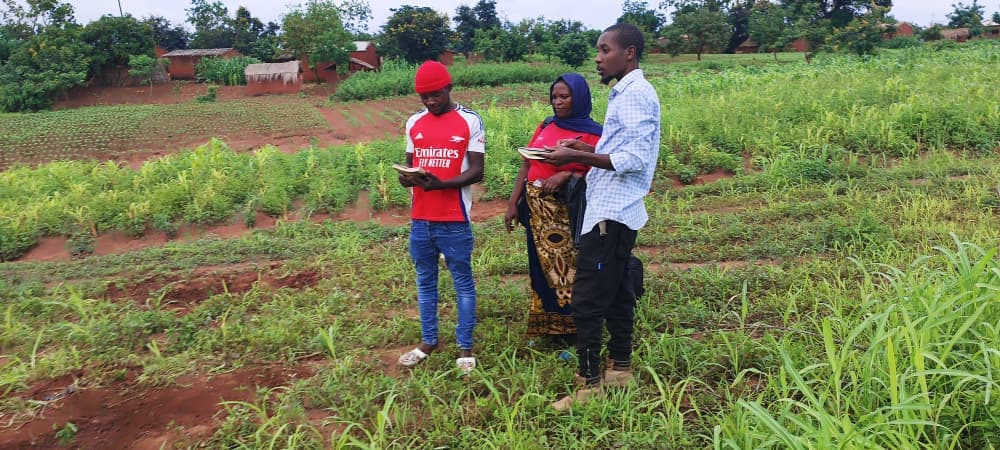
We demonstrate agroforestry, conservation Agriculture and integrated soil fertility management techniques that allow farmers to increase yields while preserving the surrounding ecosystem.
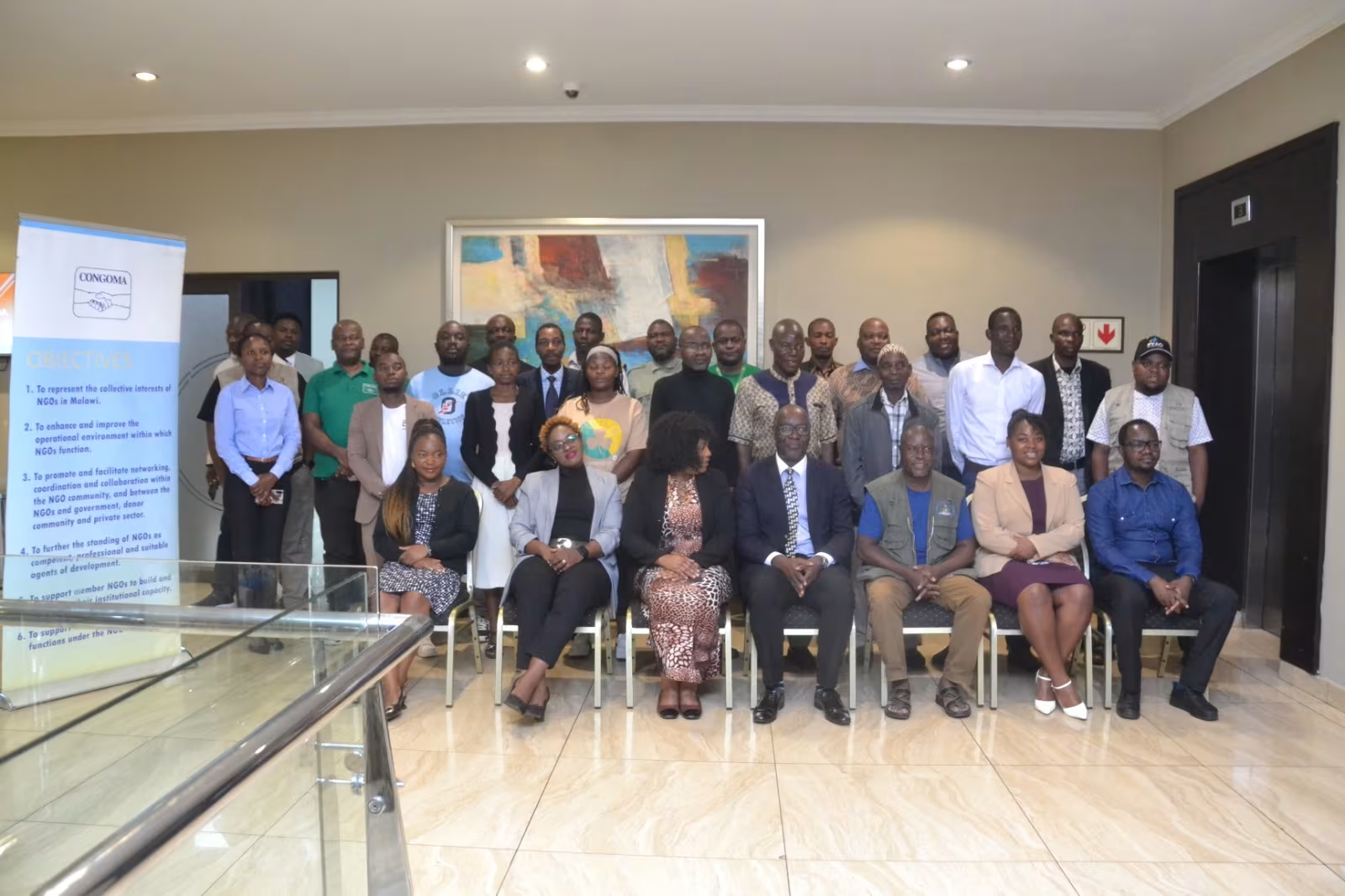
We work with relevant Government ministries, departments, district councils and community leadership structures under Traditional Authorities (TAs) to align our conservation efforts with National Development Agendas, District Development Plans (DDPs) and establish local bylaws for natural resources protection.